What Do Transistors Do? The Definitive Guide to Their Role in Modern Electronics
by
2 August , 2024
At Glofell, we often hear the question: "What do transistors do?" Overall, today's electronics rely on transistors to amplify and switch signals. They regulate electrical power or signals for signal processing, power regulation, and switching in digital circuits. They also enable miniaturization for small, powerful devices, including smartphones, computers, and embedded systems.
To fully understand what transistors do, we need to know what they are first. In this article, Glofell explores the world of transistors, giving you a clear guide to their role in advancing communication, computing, and automation technologies.
Transistors Explained
1. What Are Transistors?
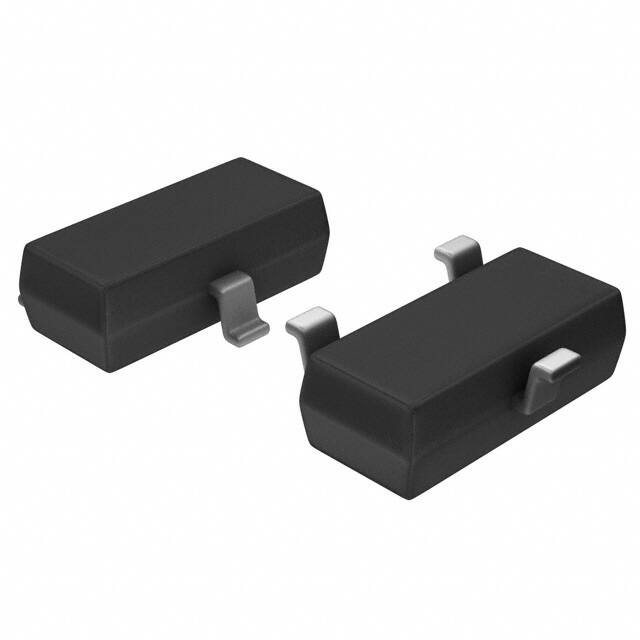
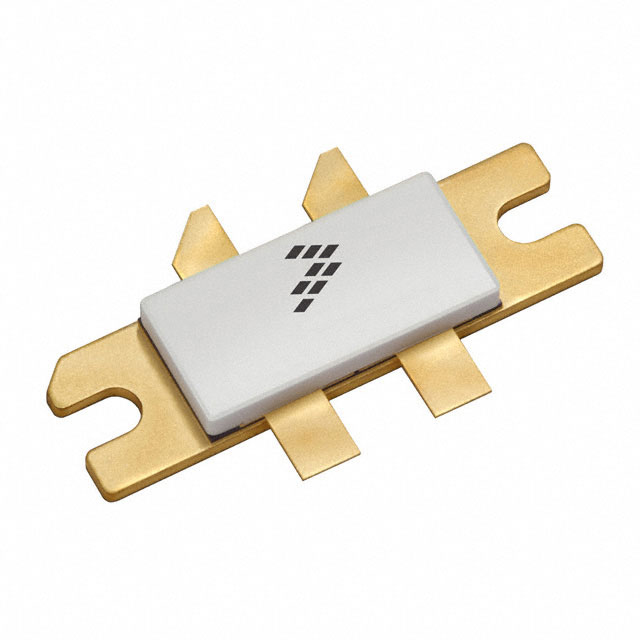
Transistors are semiconductor devices typically made of silicon, sometimes germanium, or gallium arsenide (GaAs). A transistor consists of three layers of semiconductor material forming two p-n junctions, either n-p-n or p-n-p. These structures can amplify and switch electronic signals by controlling the movement of electrons and holes within the layers.
Additionally, transistors operate in active, saturation, and cutoff regions, which define their role as amplifiers or switches. This precise control of current flow is central to their function in electronics.
2. Why Are Transistors Important?
Transistors form the foundation of modern electronics. They enable key components such as integrated circuits and microprocessors, driving computing technology. Furthermore, they allow for miniaturization, high-speed operation, and energy efficiency, replacing bulky vacuum tubes with more dependable, compact, and power-saving solutions.
Transistors are also essential to digital electronics, enabling binary switching and logical operations in computing. Their signal amplification capabilities are critical in communication, medical, and audio technologies. Advances in nanotechnology have further expanded transistor capabilities, allowing billions of transistors on a single chip—a major leap in computing power and efficiency.
3. What Are the Two Basic Types of Transistors?
There are two common types of transistors: the BJT (Bipolar Junction Transistor) and the FET (Field-effect Transistor), each with distinct structures and functions.
A BJT has three terminals: emitter, base, and collector. Majority carriers (electrons or holes) are injected from the emitter into the base and then collected by the collector. This mechanism allows BJTs to amplify signals and control current flow.
In contrast, FETs feature source, gate, and drain terminals. They regulate current flow from source to drain by varying the voltage at the gate. FETs, such as JFETs and MOSFETs, are well-suited for digital circuits thanks to their high input impedance and low power consumption.
What do transistors do? Different types of transistors have their own unique functions. Generally, transistors work as amplifiers and switches/gates.
As amplifiers, they boost signal power in audio devices, radio transmitters, and communication equipment. A small input current or voltage at the base/gate controls a larger current or voltage between collector-emitter or source-drain.
As switches, transistors rapidly turn on and off in digital circuits and microprocessors, transitioning between cutoff and saturation regions.
Additionally, transistors are used in signal modulation, voltage regulation, and oscillation generation. They are indispensable for complex electronic circuits, from everyday home devices to massive computer systems.
Transistor Questions and Answers
Now that we've answered 'What do transistors do?', let's explore other common questions to deepen your understanding.
1. What Are Transistors Made Of?
Transistors are composed of semiconductor materials. Silicon is the most common due to its cost-effectiveness, electrical properties, and manufacturability. Early transistors used germanium, while modern high-speed designs employ compound semiconductors like GaAs and InP, which offer superior electron mobility.
Researchers are also investigating graphene and carbon nanotubes, which could lead to even smaller, more efficient transistors thanks to their remarkable electrical properties. These materials may reshape the future of semiconductor technology.
2. How Small Can Transistors Get?
Transistor dimensions have reached the nanometer scale. Reports indicate the smallest transistor can be as small as 1 nm.[1] Typical sizes range from 5 to 10 nm. As we approach physical and quantum limits, novel approaches aim for greater functionality, efficiency, and reduced power consumption.
3. How Many Transistors Are in a CPU?
Modern CPUs contain billions of transistors, thanks to advanced manufacturing processes. For example, Apple's M4 chip, built on second-generation 3nm technology, integrates 28 billion transistors.[2] This enhances power efficiency and enables thinner device designs.
Conclusion
Now, you should have a clear understanding of the question: "What do transistors do?" Given their immense importance, sourcing top-rated transistors is essential for developing electronic devices with leading performance. Glofell hopes this guide has been helpful.
Glofell sources and distributes millions of electronic components, including those that are hard to find. Our partnerships with 3000+ leading manufacturers can ensure you get the authentic and leading electronic parts you want.Contact Glofell to enjoy a convenient and high-quality purchase. We may have the right electronic parts you have been searching for for a long time!
Reference Link: [1] U.S. Department of Energy/ 2017, "Smallest Transistor Ever". Available at: https://science.osti.gov/bes/Highlights/2017/BES-2017-04-c (Accessed on July 25, 2024) [2] Apple/ 2024, "Apple introduces M4 chip". Available at: https://www.apple.com/ml/newsroom/2024/05/apple-introduces-m4-chip/ (Accessed on July 25, 2024)
GlofellGlofell, one of the fastest-growing global authorized electronic component distributors in the world, offers millions of products from thousands of manufacturers. Whether you need assistance finding the right part or electronic components manufacturers for your design, you can contact us via phone, chat or e-mail. Our support team will answer your inquiries within 24 hours.